
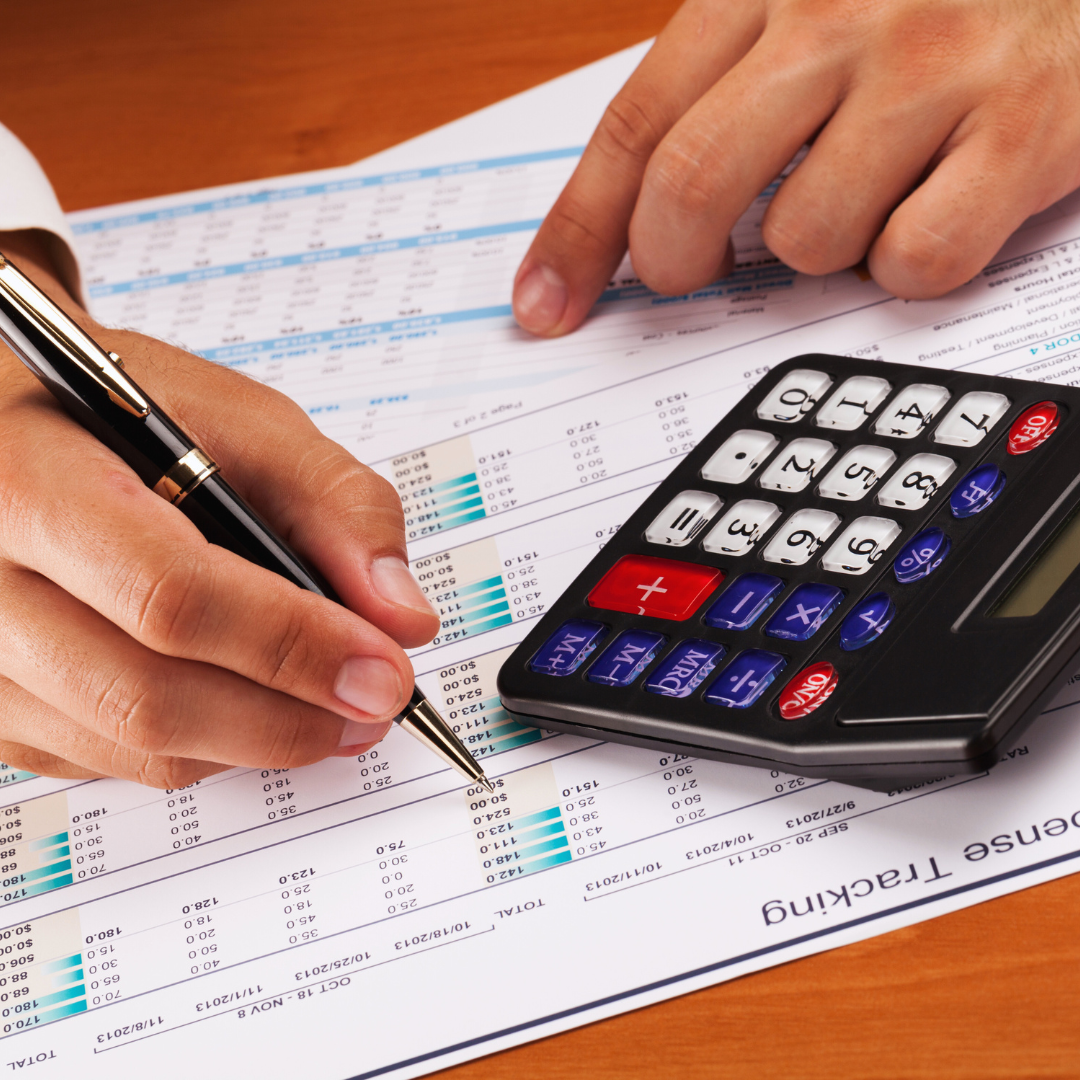
Tracking expenses is a crucial skill for anyone looking to manage their finances effectively. It can often seem overwhelming, but with the right approach, it becomes a straightforward task. To accurately track expenses, individuals should employ a consistent method, such as using budgeting apps, spreadsheets, or even pen and paper, to record every transaction.
By establishing a routine for logging expenses, it becomes easier to identify spending patterns and areas where savings can be made. This practice not only aids in maintaining budgetary discipline but also empowers individuals to set and achieve financial goals. Making this a habit can lead to improved financial awareness and decision-making.
In an age where financial literacy is increasingly important, knowing how to track expenses accurately can significantly enhance one’s financial well-being. With a few simple tools and techniques, anyone can take charge of their finances and work towards a more secure future.
Establishing a Budget Foundation
Creating a solid budget foundation is essential for maintaining financial health. It involves understanding budgeting basics and setting clear financial goals that guide spending and saving decisions.
Understanding Budgeting Basics
Budgeting is a method for managing finances by tracking income and expenses. To begin, one must list all sources of income, including salary and any side gigs.
Next, identify and categorise expenses into fixed and variable sections. Fixed expenses include rent and loan payments, while variable expenses encompass groceries, entertainment, and other discretionary costs.
A useful tool for tracking is a zero-based budget. This approach allocates every pound of income to specific expenses or savings, ensuring no money is left unassigned at the end of the month.
Using a spreadsheet or a budgeting app can simplify this process and make adjustments easier. It’s crucial to review cash flow regularly to stay on track.
Setting Financial Goals
Setting clear financial goals provides direction and purpose for budgeting efforts. It helps focus priorities, whether it’s saving for a holiday, building an emergency fund, or reducing debt payments.
Goals can be categorised into short-term and long-term objectives. Short-term goals could include establishing a monthly savings target for a new savings account. Long-term goals might involve saving for retirement or paying off a mortgage.
Ensure that goals are SMART: Specific, Measurable, Achievable, Relevant, and Time-bound. For example, a goal like “save £1,000 for emergencies within the next 12 months” is clear and actionable.
Having set goals encourages disciplined spending and prioritises needs before wants, leading to better financial decision-making.
Effective Expense Tracking Techniques
Accurately tracking expenses is essential for personal finance management. Several techniques can streamline this process, helping individuals record expenses efficiently and effectively.
Choosing the Right Tools and Apps
Selecting appropriate tools is crucial for effective expense tracking. Budgeting apps such as Mint, YNAB (You Need A Budget), and Personal Capital offer user-friendly interfaces. These platforms often provide features like automated transaction import, budget creation, and financial goal tracking.
Accounting software like QuickBooks is beneficial for freelancers and small businesses. It allows users to categorise expenses, generate reports, and monitor cash flow. Personal finance apps often support expense-tracking methods, making it easier to stay organised.
When choosing an app, consider compatibility with bank accounts and the ability to sync across devices. This ensures accurate and real-time expense tracking.
Employing the Envelope System
The envelope system is a traditional budgeting method that remains effective today. It involves allocating cash for specific spending categories—each category has its envelope. For instance, there could be separate envelopes for groceries, dining, and entertainment.
When the cash in an envelope runs out, no more spending occurs in that category. This method aids in limiting overspending and encourages conscious spending habits.
To implement this system digitally, users can set aside funds in separate accounts or use expense-tracking apps that offer similar functionality. This provides visual accountability while helping individuals track their expenses more categorically.
Leveraging Automation for Efficiency
Automation simplifies tracking expenses significantly. Personal finance apps often come equipped with features that automate expense tracking. Users can link their bank accounts, allowing the app to pull in transactions automatically.
This reduces the manual effort required to record expenses. Regular notifications and alerts help users stay on top of their budgets. Furthermore, many apps provide categorisation of transactions based on spending patterns, offering insights into spending habits.
Employ automation tools to streamline the entire process, ensuring less time is spent on tracking and more time on financial planning. This approach promotes a proactive stance in expense management.
Analysing Spending Patterns and Habits
Assessing spending patterns and habits is crucial for effective expense management. Through categorising expenses and identifying areas of overspending, individuals can create a more structured financial plan.
Categorising Expenses
To gain insight into spending habits, it’s important to categorise expenses into fixed and variable types. Fixed expenses include monthly bills such as rent or mortgage, insurance, and subscription services. These costs remain consistent each month.
Variable expenses may change, including dining out, entertainment, and groceries. By using a spreadsheet or budgeting app, one can create a clear list of these categories. This visual representation aids in realising where money flows.
Creating a monthly expense table can also help:
| Category | Amount (£) |
| Fixed Expenses | 800 |
| Variable Expenses | 300 |
| Other Spending | 200 |
This breakdown allows for a straightforward evaluation of spending patterns.
Identifying and Addressing Overspending
To successfully manage finances, identifying overspending is essential. Individuals should compare actual spending against set limits for each category. Tracking this information can reveal patterns that may warrant attention.
If, for example, dining out costs exceed the budget, adjustments can be made. Setting a spending limit for discretionary categories can significantly help.
Implementing strategies to curb overspending may involve:
- Creating a shopping list before grocery trips
- Avoiding impulse purchases
- Setting aside a fixed amount for miscellaneous expenses
Regularly reviewing monthly expenses against these limits also aids in preparing for potential tax purposes, ensuring business expenses are accounted for properly. This ongoing analysis supports better financial decision-making.
Maintaining and Reviewing Financial Records
Accurate expense tracking requires a robust approach to maintaining and reviewing financial records. Establishing a systematic way to monitor finances helps in effective money management and aids in understanding financial statements.
Creating a System for Regular Monitoring
To effectively track expenses, it is crucial to create a structured system for regular monitoring. This can include utilising spreadsheets or financial software. There should be designated categories for each type of expense, such as essentials, discretionary spending, and savings.
He or she can set specific time intervals for reviewing these records, such as weekly or monthly check-ins. Establishing reminders for these reviews can enhance accountability. During these reviews, it is beneficial to compare actual spending against a budget to identify discrepancies.
Understanding Financial Statements
Comprehending financial statements is essential for sound financial management. The two primary statements to focus on are the Profit and Loss Statement and the Balance Sheet.
The Profit and Loss Statement summarises revenues and expenses, providing insights into financial performance over a specific period. Understanding these figures allows for better control of cash flow.
The Balance Sheet, on the other hand, reflects the assets, liabilities, and equity at a specific point in time. Recognising these components can help in assessing financial stability. Together, these statements provide a comprehensive overview of one’s financial health, facilitating informed decision-making.