
Many individuals face the challenge of managing debt and its associated loans. Finding effective strategies to pay off loans faster can alleviate financial stress and pave the way for a more secure future. Creating a solid repayment plan and prioritising high-interest loans can significantly reduce the time needed to eliminate debt.
To achieve this, individuals should first assess their current financial situation, taking stock of all loans and their respective interest rates. By focusing on paying off loans with the highest interest first, they can save money on interest payments over time. Additionally, exploring options like extra payments or refinancing can accelerate the repayment process.
Incorporating budgeting techniques also plays a crucial role. By allocating additional funds towards loan repayments and reducing unnecessary expenses, they can make consistent progress. The combined effect of a strategic plan and disciplined financial habits can lead to faster loan repayment and improved financial health.
Understanding Your Loans
A comprehensive grasp of loans is essential for effective repayment strategies. This includes assessing debt interest rates and understanding credit scores, both of which significantly influence borrowing terms and options. Furthermore, when considering borrowing options, it can be important to explore different options for personal loans canada, or elsewhere. This can allow you to compare different interest rates, repayment terms, eligibility requirements, thus allowing you to make better informed decisions and select a loan that can match your financial goals.
Assessing Debts and Interest Rates
When evaluating personal loans and credit card debt, it’s vital to identify the types of debts owed and their respective interest rates. Typically, personal loans have fixed interest rates, while credit card debt often carries variable rates.
Borrowers should create a table to compare different loans:
| Loan Type | Principal Amount | Interest Rate (APR) | Monthly Payment |
| Personal Loan | 5,000 | 7% | 150 |
| Credit Card Debt | 2,000 | 18% | 60 |
Understanding loan terms is crucial, as longer terms may result in lower monthly payments but increase overall interest paid. High interest rates can substantially inflate total repayment amounts.
The Impact of Credit Scores on Borrowing
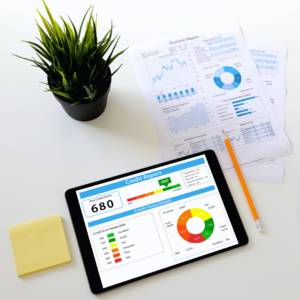
A credit score serves as a critical indicator of creditworthiness. It influences the interest rates offered on loans and credit cards. Higher scores typically yield lower rates, leading to significant savings over time.
- Excellent (750+): Prime interest rates
- Good (700-749): Competitive rates
- Fair (650-699): Higher rates, potential for additional fees
- Poor (649 and below): Limited options and high costs
Monitoring a credit report provides insights into what factors are affecting the score. Regular checks can help individuals rectify errors and improve their financial standing, enhancing their ability to negotiate better loan terms. Understanding the debt-to-income ratio is also essential; lenders prefer a ratio below 36%, which signifies a manageable level of debt relative to income.
Strategies for Faster Repayment
Paying off loans faster requires practical strategies that can significantly reduce repayment time and overall interest paid. By implementing a few targeted methods, borrowers can make progress towards their financial goals more efficiently.
Making Extra Payments
Making extra payments is one of the most effective ways to reduce loan balances quickly. This strategy allows individuals to pay down debt faster, leading to early repayment and potential interest savings. Extra payments can be made monthly, quarterly, or as a one-off lump sum, depending on the borrower’s financial situation.
Before making extra payments, it is crucial to check if the loan has any prepayment penalties. If there are none, allocating bonuses, tax refunds, or savings can be beneficial. By increasing monthly payments or making occasional large payments, borrowers can significantly shorten the repayment term.
Budgeting for Loan Repayment
Budgeting is essential for effective loan repayment. By creating a clear budget, individuals can identify areas where they can cut expenses and redirect those funds to loan payments. This focused approach often involves tracking monthly income and expenditures to ensure that there is a surplus available for repayment.
Establishing a specific amount dedicated to loan repayment allows for consistent contributions toward the debt. It is also advisable to periodically review and adjust the budget to accommodate any changes in income or unexpected expenses, ensuring repayment plans remain on track.
Utilising a Loan Calculator
A loan calculator can be a useful tool for borrowers seeking to understand their repayment options better. It allows individuals to input different payment amounts, interest rates, and repayment terms to see how these factors affect the total cost of the loan.
By experimenting with scenarios, borrowers can find out how making extra payments impacts their loan terms. This method also helps in setting realistic financial goals. Being informed about the potential savings from early payoff can motivate borrowers to stick to their repayment strategy.
Reducing the Cost of Debt
Minimising the cost of debt can significantly impact the time taken to pay off loans. Two effective strategies include refinancing options and consolidating debts. Both approaches aim to lower interest rates and reduce financial burdens.
Refinancing Options
Refinancing involves taking out a new loan to replace existing debt, ideally at a lower interest rate. This process can reduce monthly payments and the total interest paid over time.
Before proceeding, borrowers should evaluate their credit score, as higher scores often qualify for better rates. Also, working with a broker from a trusted establishment can simplify the process by helping you obtain a mortgage quote quickly, ensuring you can find the best refinancing deal.
It is crucial to consider any prepayment penalties associated with the original loan, which may offset refinancing benefits. Potential lenders should be compared to ensure the best option is selected. With careful planning, refinancing can be a practical step towards reducing financial strain.
Consolidating Debts to Save
Debt consolidation merges multiple debts into a single loan, simplifying payments and possibly obtaining a lower interest rate. This strategy can be particularly beneficial for those struggling with various high-interest debts.
Options include personal loans or balance transfer credit cards, which may offer introductory 0% APR periods.
Establishing an emergency fund can help address unexpected expenses, preventing further debt accumulation. Additionally, understanding the terms of the new loan, including any prepayment penalties, is vital to avoid unforeseen costs. Debt consolidation can streamline finances and facilitate a more manageable repayment approach.
Additional Income Streams
Exploring additional income streams can significantly expedite loan repayment.
- Side Jobs
Taking on a side job is a practical approach. Options include freelance work, part-time jobs, or gig economy tasks. This can provide a steady stream of extra cash. - Sell Unwanted Items
Selling items that are no longer needed can generate immediate funds. Online platforms allow for quick sales of clothes, electronics, and furniture. - Create a Budget
Sticking to a detailed budget helps identify areas for savings. The money saved can be allocated directly to pay off debts. - Investing in Skills
Learning new skills can lead to higher-paying job opportunities. Online courses and workshops are available to enhance professional expertise. - Utilise Passive Income Opportunities
Consider investments that provide passive income. Rental properties, dividend stocks, or peer-to-peer lending can offer returns without constant involvement. - Emergency Fund
Building an emergency fund is crucial. It prevents reliance on loans for unexpected expenses, allowing individuals to focus on repaying existing debts.
Save Money on Daily Expenses
Identify and reduce unnecessary expenditures. Simple changes, like making coffee at home or using public transport, can contribute to a larger amount for loan payments.