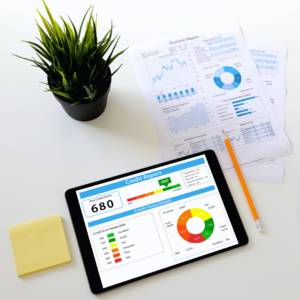

Improving personal finance skills is essential for anyone looking to achieve financial stability and independence. Developing these skills can lead to better budgeting, informed investing, and effective debt management. Through structured learning and practical application, individuals can take control of their financial futures.
Many people feel overwhelmed by the complexities of personal finance, but with the right approach, mastering these skills becomes manageable. Resources such as books, workshops, and online courses can provide invaluable insights and strategies. Embracing these learning opportunities can empower individuals to make confident financial decisions.
It is important to recognise that improving personal finance skills is a continuous journey. By setting realistic goals and establishing a disciplined routine, anyone can enhance their financial literacy and ultimately improve their quality of life. With persistence and a willingness to learn, the path to financial competence becomes clearer.
Establishing a Solid Foundation
Building personal finance skills begins with a clear understanding of financial literacy, setting realistic financial goals, and assessing current financial health. These essential components create a strong basis for effective money management and long-term prosperity.
Understanding Personal Finance
Personal finance encompasses a range of financial activities and concepts that affect an individual’s financial health. Key areas include budgeting, saving, investing, and understanding credit.
Budgeting helps track income and expenses, allowing for better financial decisions.
Saving is vital for emergencies and future expenses while investing builds wealth over time.
Finally, understanding credit influences borrowing ability and interest rates. Acquiring knowledge across these areas empowers individuals to manage their finances effectively.
Setting Financial Goals
Setting financial goals provides direction and motivation. These goals should be Specific, Measurable, Achievable, Relevant, and Time-bound (SMART).
For example, a specific goal might be to save £5,000 for a car within two years.
This approach allows individuals to break down larger objectives into manageable steps. Individuals should consider both short-term and long-term goals.
Short-term goals might include paying off a credit card, while long-term could involve saving for retirement or a child’s education.
Making these goals visible, such as writing them down or using apps, increases accountability.
Assessing Current Financial Health
Assessing current financial health is crucial for understanding one’s starting point. Individuals should calculate their net worth by subtracting liabilities from assets.
This figure provides a clear snapshot of financial standing.
They should also track monthly expenses and income to identify spending habits.
By creating a budget, they can determine where to cut back. Regularly reviewing financial statements, such as bank accounts and credit reports, helps maintain awareness of financial status.
Understanding these elements enables individuals to make informed decisions about their financial futures.
Managing Your Money Effectively
Effective money management is crucial for financial well-being. A structured approach towards budgeting, tracking expenses, eliminating debt, and building savings can lead to greater financial stability.
Creating and Sticking to a Budget
Developing a budget requires the identification of income and expenses. He or she should list all sources of income, including salaries and side gigs. Next, it is important to categorise expenses into fixed (rent, utilities) and variable (groceries, entertainment) categories.
Setting limits for each category aids in staying accountable. Utilising budgeting tools or apps can enhance efficiency. Regularly reviewing and adjusting the budget ensures it remains realistic and aligned with changing financial circumstances. Consistently adhering to this budget fosters discipline and helps avoid unnecessary spending.
The Art of Tracking Expenses
Tracking expenses allows individuals to gain insights into their spending habits. He or she can use mobile apps, spreadsheets, or even a pen and paper to record daily expenditures. This practice illuminates patterns, showing where money is spent most frequently.
Regularly reviewing these records can provide opportunities for adjustments. Identifying areas where spending can be reduced, such as dining out or impulse purchases, is essential. It promotes informed decisions and helps maintain financial goals.
Eliminating High-Interest Debt
High-interest debt, such as credit card debt, can significantly impede financial progress. Prioritising debt repayment is essential for improved financial health. Individuals should begin by listing all debts alongside their interest rates.
Focusing on high-interest debts first can save money in the long run. Methods such as the avalanche or snowball techniques are effective strategies. In the avalanche method, he or she pays off debts in order of highest interest first. The snowball method focuses on paying off the smallest debts first for quick wins. Regular payments above the minimum can accelerate this process.
Building an Emergency Fund
Establishing an emergency fund provides a financial safety net for unexpected expenses. It is advisable to aim for three to six months’ worth of living expenses. He or she can start by setting aside a small, fixed amount each month.
Utilising a separate savings account specifically for emergencies can prevent casual spending. This fund acts as a buffer against unforeseen events, such as job loss or medical emergencies. Consistency in contributions ensures that the fund grows steadily over time, providing peace of mind.
Growing Your Wealth
To effectively grow wealth, it is essential to focus on saving, investing, and planning for retirement. Each component plays a significant role in building financial stability and future security.
Principles of Saving
Establishing a solid saving plan is the foundation of wealth growth. Individuals should aim to save at least 20% of their income each month. This can be achieved through consistent budgeting and tracking expenses.
Key strategies include:
- Setting up an emergency fund to cover three to six months of expenses.
- Utilising high-interest savings accounts to maximise interest earnings.
- Automating savings to ensure contributions are made regularly.
By prioritising savings, individuals create a buffer against unexpected costs and begin to accumulate wealth over time.
Investment Strategies
Investing allows individuals to increase their wealth through potential market gains. Understanding different investment vehicles is crucial for effective wealth growth.
Common options include:
- Stocks: Higher risk but the potential for high returns.
- Bonds: Lower risk, providing steady interest income.
- Mutual Funds: Diversification through pooled investments.
It’s essential to consider one’s risk tolerance and investment horizon. Regular contributions, even small amounts, can significantly compound over time, especially when taking advantage of dollar-cost averaging and reinvesting dividends.
Planning for Retirement
Effective retirement planning ensures individuals have adequate funds when they retire. Start by determining retirement needs, considering factors like lifestyle and desired age of retirement.
Steps to consider include:
- Contributing to retirement accounts such as pensions or ISAs.
- Evaluating employer contributions and taking full advantage of any matching programmes.
- Regularly reviewing and adjusting investment strategies to align with changing goals.
Individuals should also factor in inflation and potential healthcare costs, ensuring that retirement savings are robust enough to cover these future expenses.
Maintaining Financial Stability
Maintaining financial stability involves actively managing resources and making informed decisions. Key strategies include negotiating better deals, protecting against financial stress, and working towards financial independence.
Negotiating Better Deals
Negotiation is a powerful tool for improving financial outcomes. Individuals can negotiate contracts for services such as insurance, utilities, and even rental agreements. By conducting thorough research on market rates, they can identify the best deals available.
It’s often possible to lower monthly bills simply by asking. People should prepare a list of competing offers, demonstrating willingness to switch providers if their needs are not met. This approach not only saves money but also encourages service providers to offer discounts or enhanced services. Another practical way to lower monthly bills is by improving home energy efficiency. High utility bills often stem from poor home insulation, which forces heating and cooling systems to work much harder. Homeowners can address this by hiring professional insulation contractor services to inspect and upgrade their property. Properly sealing and insulating an attic or crawl space can lead to permanent savings on monthly energy bills. This simple home improvement project protects your budget from seasonal price spikes and keeps money in your pocket.
Protecting Against Financial Stress
Financial stress can arise from unexpected bills or changes in income. Establishing a robust financial plan is essential for mitigating these pressures. This plan should include an emergency fund that covers at least three to six months of living expenses.
Moreover, individuals should regularly review their budgets to identify areas for adjustment. This can help in reallocating funds to cover sudden expenses without causing financial strain. Consulting a financial advisor can provide tailored strategies that enhance resilience against unforeseen challenges.
Achieving Financial Independence
Achieving financial independence is a long-term goal that requires disciplined saving and investing. Individuals should aim to create multiple income streams, reducing reliance on a single source of income. This can involve side businesses, investments, or rental properties.
Regular contributions to retirement accounts also play a crucial role. Minimising income taxes through smart financial practices will enhance savings potential. Building assets over time fosters a sense of security and paves the way for sustainable financial success.